Stress - information from Bupa on stress | Bupa UK
home

Stress

Published by Bupa's Health Information Team, December 2011.

This factsheet is for people who would like information about stress.

Stress can be defined as the way a person feels when the pressure they are under exceeds their ability to cope. Everyone reacts to stress differently depending on their personality and how they respond to pressure. Stress can be caused by many things, such as work, money worries or relationships. It can cause psychological symptoms, such as anxiety and irritability, and physical symptoms, such as poor sleep.

About stress

Some stress is good for you and a certain level of pressure can help you prepare for actions and challenges. However, too much stress, especially over a long period of time, can cause physical and emotional problems.

Many of your body’s control mechanisms happen without you having to think about them. Your involuntary stress response to unexpected events is known as the ‘fight or flight’ response.

When you have a shock or perceive something as a threat, your body releases hormones (chemicals produced by your body), such as adrenalin, that contribute to the ‘fight or flight’ response. These hormones increase your heart rate and blood pressure so that more oxygen and glucose can get to your muscles. You will also breathe faster and sweat more to cool these muscles down. All of these reactions prepare you to take action to deal with a possible threat.

Modern day stresses, such as money worries or deadlines at work, don’t cause a ‘fight or flight’ response like we once required to survive in the wild, but they do cause your body to release stress hormones. In the short term, stress ‘revs up’ your body and heightens your ability to carry out tasks and meet deadlines. However, long-term stress can have a negative effect on how you cope with situations and may even be damaging to your health.

Symptoms of stress

Everyone reacts to stress in different ways. However, there are some common symptoms to look out for. 

Psychological symptoms can include:

  • constant worrying
  • an inability to concentrate
  • poor judgement
  • seeing only the negative
  • anxious thoughts
  • memory problems

You can also get emotional symptoms, including:

  • mood swings or changes in your mood
  • irritability or having a short temper
  • an inability to relax
  • feeling overwhelmed
  • a sense of loneliness
  • depression

You may also get physical symptoms. These can include:

  • aches and pains
  • diarrhoea and constipation
  • nausea or dizziness
  • chest pains
  • loss of sex drive
  • frequent colds

These symptoms may be caused by problems other than stress. If you have any of these symptoms, see your GP for advice.

Your behaviour might also change and may include:

  • eating more or less
  • sleeping too much or too little
  • isolating yourself from others
  • neglecting or putting off responsibilities
  • using alcohol, smoking or illegal drugs to relax
  • nervous habits, for example, nail biting or not being able to sit still

Causes of stress

All sorts of situations can cause stress. These can include: 

  • work demands, changes in work patterns or feeling unsure at work
  • exams
  • money matters
  • relationships with partners, children or other family members
  • divorce
  • unemployment
  • moving house
  • bereavement

Stress can also be caused by a build-up of small things over time, for example, you may not feel valued at work or you may have a child whose behaviour is hard to deal with. Sometimes there is no obvious cause for stress.

Try to recognise the difference between temporary stress, which usually goes away once a specific problem is resolved, and long-term stress that can be damaging to you, your health and those around you.

Diagnosis of stress

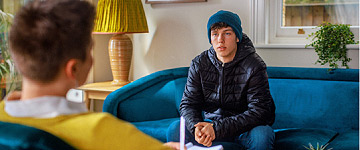
There is no specific test to diagnose stress. If you think you’re stressed or if you feel very anxious, talk to your GP. He or she will usually be able to recognise the symptoms and give you advice about how to deal with it. Your GP may also refer you to a counsellor if you need one.

You might feel reluctant to ask for help if you’re stressed or feel under pressure, but don’t be afraid to speak to your GP, friends or family. It’s important to recognise the symptoms of stress so you can learn how to manage them and begin to feel better.

Treatment of stress

To be able to tackle stress, it’s important to recognise the symptoms and realise that it’s causing you problems. There are a number of ways to reduce the effect that stress can have on you. If these don’t work, your GP may recommend other options, such as cognitive behavioural therapy (CBT) or medicines.

Self-help

Exercise can be very effective at relieving stress and is good for your wellbeing. It can improve your mood, give you a sense of achievement and helps you release daily stress. According to the Department of Health, there is clear evidence that physical activity reduces your risk of depression and there is some evidence that physical activity improves sleep. It helps reduce stress hormones and stimulates the release of endorphins (the hormones that make you feel good) in your body.

You can incorporate exercise into your daily routine. A brisk walk to the shops, cycling to work or gardening can help. The recommended healthy level of physical activity is 150 minutes (two and a half hours) of moderate exercise (this means your breathing is faster, your heart rate is increased and you feel warmer) over a week in bouts of 10 minutes or more. You can do this by carrying out 30 minutes of exercise on at least five days each week.

There are a number of other things you can do to help deal with stress better.

  • Manage your time more effectively and prioritise more important jobs first.
  • Adopt a healthy lifestyle – eat a balanced diet, rich in fruit and vegetables, and make sure you get enough sleep.
  • Know your limitations – don’t take on too much.
  • Find out what causes you to feel stressed and try to change your thoughts and behaviour to reduce it – talking things over with a friend or a family member can help.
  • Try not to get into situations that make you feel angry or upset.
  • Accept the things you can’t change and concentrate on the things you have control over.
  • Make time for the activities you enjoy and for the things that make you feel relaxed – you’re more likely to neglect this area of your life if you’re stressed.
  • Find time to meet friends and have fun – arrange to do something you enjoy.
  • Develop a positive thinking style – try to look at a problem differently or discuss it with someone.
  • Don’t drink too much alcohol or caffeine, or use illegal drugs as a way to cope – in the long term, these things will only make you feel worse.

You can also learn techniques to manage your stress from self-help books and audio tapes, or by attending a stress management course. Some people find that meditative approaches, such as yoga and tai chi, are effective at reducing stress and anxiety. Yoga can help you control your breathing and relax your mind.

Find a solution that fits you, your lifestyle and your personality. There is no right or wrong approach as everyone reacts to stress in different ways, so different approaches will work for different people.

Talking therapies

CBT is a talking treatment that looks at how situations can lead to thoughts that will have an impact on your feelings and behaviour. It aims to change the way you think and behave and helps you to challenge negative thoughts or feelings.

CBT can help to treat many problems, such as sleeping difficulties, relationship problems, drug and alcohol abuse, anxiety or depression. The therapy focuses on your thoughts, images, beliefs and attitudes (known as your cognitive processes) and how this relates to the way you behave. You may be able to have CBT at your GP surgery.

Medicines

Sometimes, depending on how severe your stress is, your GP may prescribe you antidepressants. Although antidepressants are primarily used to treat depression, many can be prescribed for other conditions, such as different forms of anxiety.

Complementary therapies

If you become stressed easily or often feel anxious, it’s important to learn how to reduce these feelings. You may find it helpful to learn relaxation techniques, such as breathing exercises and meditation, to help you manage stressful situations.

Massage and aromatherapy can promote a sense of wellbeing and provide a relaxing environment that helps you unwind. There is little scientific evidence to show whether or not aromatherapy is an effective treatment for stress, although there is anecdotal evidence to support its use. Aromatherapy may not be suitable for everyone.

Some people find that other complementary therapies offer some benefit, including acupuncture, visualisation, reflexology and herbal remedies. However, there isn’t enough evidence to say if they are effective or not. Speak with your GP before you start any complementary therapy.

You may find herbal remedies helpful, but it’s important to remember that natural doesn’t mean harmless. Herbal remedies contain active ingredients and may interact with other medicines or cause side-effects. Don’t start taking any herbal remedies without speaking to your GP or pharmacist first.

Video

See our videos about stress, they include:


For answers to frequently asked questions on this topic, see Common questions.

For sources and links to further information, see Resources.

Need more information?

Related hubs


Related health risk assessments

Take our free online health check

View all tools and calculators

How can we help you?

Bupa By You Health Insurance

Bupa By You.
Affordable new health insurance.
Adaptable cover from 98p a day^
 

Now with 2 months free cover^

Get a quote
More information

Book to see a Private GP today

See a Private GP in confidence to discuss any concerns you may have about your health or your family's health or call 0845 600 3458 quoting ref. HFS GP .

  • This information was published by Bupa's Health Information Team and is based on reputable sources of medical evidence. It has been reviewed by appropriate medical or clinical professionals. Photos are only for illustrative purposes and do not reflect every presentation of a condition. The content is intended only for general information and does not replace the need for personal advice from a qualified health professional. For more details on how we produce our content and its sources, visit the About our Health Information page.

  • Publication date: December 2011

For life's ups and downs try Bupa Health Insurance

Bupa private GP services

Get the immediate attention you need with our private GP service. Most appointments are within one working day. 

Bupa By You
 

Bupa By You