


Health horizons
Cancer Care Reimagined: Early Detection and Personalised Support

Cancer doesn’t just affect individuals, it impacts families, workplaces and society as a whole. As cancer cases rise, it’s essential that workplaces develop the right framework to support earlier detection and provide personalised support before, during and after treatment.
Cancer rates are rising – can employers keep up?
By 2040, it’s expected that someone in England will be diagnosed with cancer every two minutes1. And it’s not just those facing old age who are affected. Approximately 160,000 people of working age receive a cancer diagnosis every year in the UK2. And unfortunately, cancer incidence rates amongst those aged 24 to 49 in the UK have increased by 24 per cent between 1995 and 2019.3
So, how can employers adapt to such a prevalent and high-priority issue? Research shows 96 per cent of organisations do not currently have a cancer-specific workplace policy4. This can hamper both opportunities for detection and resilience during treatment.
Why early detection matters in the workplace
Earlier diagnosis can increase treatment options and may improve outcomes.5. Employers can help to create a workplace culture where employees feel able to put their health first and get the right support when they need it. 18. By raising awareness of the importance of acting early when signs and symptoms occur, employers help to discourage employees from delaying seeking support. 18
Steps to increase early cancer detection in the workplace include:
- sharing information about cancer screening programmes7
- raising awareness of signs and symptoms to look out for
- being flexible with the attendance of screening appointments and other medical appointments
From a Bupa specific perspective, the following benefits may support earlier cancer detection:
- promoting uptake of health assessments for eligible employees13
- supporting access to specialist cancer centres for prompt diagnosis
- utilising Bupa’s DNA testing service if relevant. This can help eligible employees understand their inherited cancer risk8, enabling them to make informed decisions about their own health
Prioritise prevention
With 4 in 10 cancers thought to be preventable17, employers can also play an important role by creating environments that support healthy choices and wellbeing. Healthy habits during cancer treatment can also improve survival rates. 16. This can include:
- providing access to nutritious whole food options and healthier snacks18
- changing the narrative around socialising through alcohol-free events18
- supporting employees to find time for movement, rest and stress management18
The value of personalised cancer care
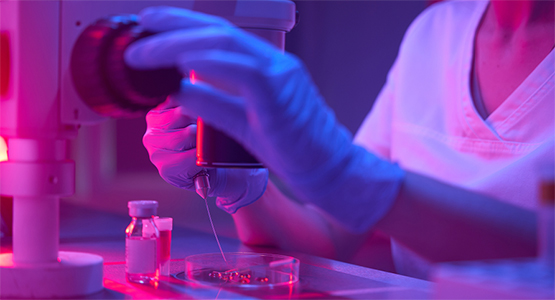
Everyone’s experience of cancer is different, and their needs will change from diagnosis through treatment and recovery.9. From a clinical perspective - treatment has evolved, and will continue to do so, with the involvement of AI technologies15, genomic testing, and medicine checks. 14
The ability to establish how people are likely to respond to and metabolise certain cancer drugs can support more personalised treatment, with the aim of increasing effectiveness and reducing side effects. 14
Personalising cancer care also involves treating individual needs holistically. Some employees may need mental health support, while others may need help discussing cancer with their children or managing its practical effects.
Personalised cancer care should connect the individual’s need – whether practical, emotional or clinical with the most appropriate support at each stage.
Putting workplace cancer support into practice
Having a thorough workplace cancer policy is the first step, but it’s essential that employees are made aware of how to access any support they might need.
Employers can put policy into practice by providing managers with training on available policies and support, as well as considering the following steps.
Offer flexibility - being adaptable around appointments, treatments and associated side effects can reduce the pressure on employees during an already challenging time. 6
It also helps to make reasonable adjustments10 during this time such as:
- supporting an employee’s decision to work from home if possible
- opting out of non-essential meetings to conserve energy
Signposting support - many employees are likely unaware of the range of support available to them. For employees with cancer cover in their insurance, benefits include:11
- Bupa’s oncology support team can provide support throughout the cancer journey
- trained healthcare advisers can answer concerns or direct to relevant services
- specialist cancer nurses can support with symptom management and treatment side effects
- resources on explaining cancer to children, and coping with mental health impacts
Eligible members can also access Bupa’s Live Well with Cancer programme 12 that provides personalised support with lifestyle changes and support group access.
Supporting better cancer outcomes for your workforce
Cancer can have a significant effect on employees and organisations. By combining a preventative focus, earlier detection opportunities, supportive workplace practices and personalised care, employers can help improve the experience of people affected by cancer.
1https://news.cancerresearchuk.org/2025/08/28/over-6-million-cancer-diagnoses-by-2040-charities-call-for-bold-action/
2https://www.reframe.co.uk/hubfs/eBooks%20and%20whitepapers/Reframe_The%20Employee%20Experience%20Report-Living%20and%20Working%20with%20Cancer%202024.pdf
3https://news.cancerresearchuk.org/2024/06/03/cancer-rates-rising-in-under-50s-early-onset-24-percent-increase/
4https://workingwithcancer.co.uk/2024/10/23/uk-workplaces-falling-short-in-supporting-employees-affected-by-cancer/
5https://www.cancerresearchuk.org/about-cancer/spot-cancer-early/why-is-early-diagnosis-important
6https://www.macmillan.org.uk/cancer-information-and-support/impacts-of-cancer/work-and-cancer/reasonable-adjustments
7https://www.nhs.uk/tests-and-treatments/nhs-screening/
8https://www.genomicseducation.hee.nhs.uk/cancer-genomics/
9https://www.macmillan.org.uk/cancer-information-and-support/impacts-of-cancer/work-and-cancer
10https://www.acas.org.uk/reasonable-adjustments
11https://www.bupa.co.uk/health/health-insurance/bupa-cancer-promise/cancer-treatment-support
12Bupa. Live Well with Cancer Programme Leaflet
13https://www.bupa.co.uk/health/health-insurance/bupa-cancer-promisey
14https://www.genomicseducation.hee.nhs.uk/genotes/knowledge-hub/introduction-to-pharmacogenomics/
15https://www.cancer.gov/research/infrastructure/artificial-intelligence
16https://journals.sagepub.com/doi/10.1177/15598276261454630
17https://www.who.int/news/item/03-02-2026-four-in-ten-cancer-cases-could-be-prevented-globally
18Personal correspondence with Dr Sherina Fernandes, Lifestyle Medicine GP at Bupa, October 2026

