




What is microsuction?
Microsuction is one of the best ways to remove earwax. It uses a gentle suction device to clear out any earwax blocking your ear canal.
This suction device acts like a vacuum cleaner, helping to loosen and remove any impacted earwax. It can be helpful if you’ve tried cleaning out your ears yourself, but it hasn’t made a difference.
How does microsuction work?
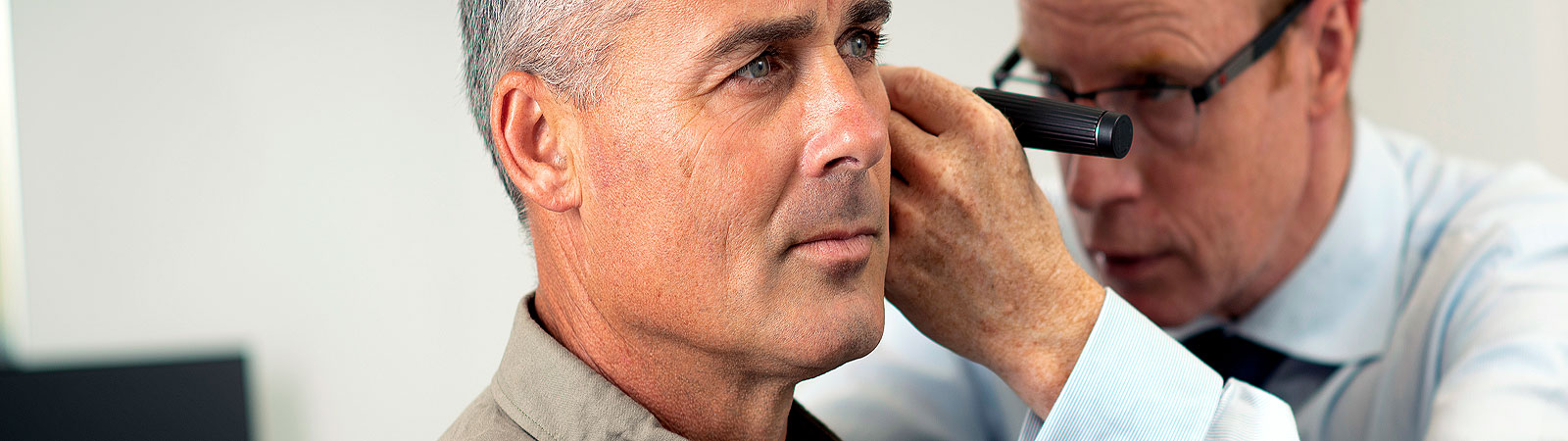
First, one of our trained clinicians will use an otoscope (a device with a light) to look inside your ear.
We’ll check if microsuction is the right treatment for you and if the wax in your ears is soft enough to remove. If it is, we’ll place a small suction tube (also called a cannula) inside your ear and clear out any built-up wax.
To make sure your earwax is soft, it’s a good idea to start using ear drops a few days before your microsuction appointment. This could be olive oil drops or an ear care product from the pharmacy.
Is microsuction safe?
Yes, microsuction is very safe when done by a trained clinician.
They’ll make sure it’s suitable for you by checking the health of your ears first, and they can talk you through the treatment before they begin.
Unlike with other removal methods, there’s no water involved, so there’s a lower risk of complications.
How is microsuction different to ear syringing?
Ear syringing with water used to be a common way to remove earwax, but microsuction is now the preferred method. Ear syringing (or ‘irrigation’) uses water to loosen earwax and flush it out of the ear.
Because the clinician can’t see inside the ear during the syringing procedure, it’s not as quick and precise as microsuction.
Syringing involves putting pressure on the eardrum, so it can be uncomfortable for some people. It also carries some risk of infection and damage to the eardrum. These risks are much lower with microsuction.
How do I prepare for my earwax removal procedure?
Before you come to see us, we recommend using ear drops to help soften the earwax. This makes it easier to remove and can help your appointment go more smoothly. You can use olive oil or ear drops you buy at the pharmacy.
We recommend you start using ear drops three to five days before your appointment. Apply them three to four times a day while lying on your side, so the drops can move down the ear canal.
If it isn’t possible to remove all the wax on the day, your health adviser will talk to you about what to do next.
More about earwax removalMore about earwax and earwax removal
Earwax removal
Bupa's earwax removal service is a safe and effective way to remove excessive earwax.
Impacted earwax
Impacted earwax happens when there's a build-up of earwax in the ear, which could lead to infection.
What is earwax?
Earwax helps to keep your ear canal clean, and protects it from dirt, dust, hair and water.
Approved by:


Dr Samantha Wild
GP and Clinical Lead for Microsuction at Bupa
 MBChB
MRCGP
DCH
DFSRH
DRCOG
MBChB
MRCGP
DCH
DFSRH
DRCOG
GMC Reg: 4418427
Sam is an experienced General Practitioner with over 25 years in clinical practice. She is the Clinical Lead for Women’s Health at Bupa.
She also provides clinical oversight for Bupa’s earwax removal services, including microsuction, ensuring they are safe, effective and delivered to a high standard.


Why choose Bupa?
Faster, more flexible access to trusted healthcare, without the need for insurance.

Skip the wait

Pay only for what you use

Expert care you can trust
