





Revealed: 2026 health and wellness trends
What wellness trends will be big in 2026?
We’ve looked at the UK’s recent online search habits to predict what health and wellness trends we may see in 2026.

Your health expert: Dr Samantha Wild, Clinical Lead for Women's Health and Bupa GP
Content editor review on: 01 January 2026
Next review: January 2027
Many of us make lifestyle changes based on friends’ advice, or what we see online.
From specific health screens to exercise trends, it may be tempting to try what’s popular, but are 2026’s health trends safe for everyone to try? We’ll explore the data and lay out the evidence, so you know the facts.
Sequencing tests
In 2025, online search habits have become more geared towards personalisation within healthcare.
From discovering what foods agree with you best, to how effective medications may be for you, our Googling habits hint personalised health won’t be going anywhere in 2026. From October 2024 to September 2025 searches showed:
DNA nutrition searches increased
Searches increased 11-fold
Shotgun genome sequencing
Searches doubled
At home DNA test
Searches doubled

Taking a DNA health test can shed light on the specific medicines that will work best for you. This kind of testing can also identify health risks that you may be more susceptible to, based on your genes.
Knowing your future health risks, alongside the medications that work best for your body can guide you towards choices and changes that make the biggest impact.
In the past, you needed a referral from a GP to have genetic testing via the NHS. However, it’s possible to opt for a full genome or DNA health test privately now, allowing many more people in the UK to better understand their genetic makeup and health profiles.
Menstrual cycle phases
Between October 2024 and September 2025, average monthly searches around cycle phases increased:
Early luteal phase symptoms
Searches multiplied nine times
Luteal phase mood
Searches doubled
Early follicular phase
Searches doubled

It’s promising to see many more women in the UK learning more about what each period phase can mean for mood and energy.
If this is the first time you’ve heard about the four phases of your cycle, this is a quick summary based on average timings of a 28-day cycle:
1. Menstrual phase
This phase is marked by when you start bleeding on the first day of your period. Generally, you bleed for around five days. Your oestrogen and progesterone levels fall during this time, and you’ll likely feel tired.
2. Follicular phase
The follicular phase starts alongside the menstrual phase, but lasts for around seven further days. Days one to 12 are the longest phase of your cycle. Once your bleeding ends, oestrogen levels start rising again, along with your energy levels, concentration and sex drive.
3. Ovulation phase
Between the thirteenth and fifteenth day of your cycle, oestrogen rises to prepare your body to release an egg. The egg travels down a fallopian tube, ready for fertilisation.
4. Luteal phase
The last phase of the cycle lasts between days 16 and 28. If the egg hasn’t been fertilised, it travels down to your uterus to be shed alongside your womb lining in your next period. This phase is where premenstrual syndrome (PMS) symptoms are most likely to occur, as progesterone levels rise.
Our research shows that people are keen to learn more about the second and last menstrual phase.
The phase you’re in can influence your energy, mood and ability to concentrate. Some people find it handy to know the stage they’re at within their cycle, so they can adapt their lifestyle. This is known as cycle syncing.
Adapting your lifestyle to your cycle phase can help make the most of their body’s capabilities within that particular stage of your cycle.
Though it’s common to experience mood changes in your luteal phase, if you’re struggling, it’s important to seek help with your menstrual cycle. For example, if you’re finding it hard to maintain relationships or carry out daily tasks.

Creatine for women
Google data shows an increased number of women in the UK are exploring the benefits of creatine, especially when it comes to their hormonal health. From October 2024 to September 2025, average monthly Google searches around creatine and women’s health increased.
Benefits of creatine for women
Searches have tripled
Creatine and menopause
Searches have tripled
What does creatine do?
Found naturally in the body, creatine helps to produce energy within your cells. You can also consume creatine in foods like red meat, seafood and fish, or take it in supplement form, such as creatine monohydrate.

Why women should take notice
As creatine helps with energy production, it’s also thought to benefit your workouts and build muscle mass. Whilst many people may consider upping creatine intake simply to build strength or muscle, there’s growing evidence women can find more benefits.

The link between oestrogen and bone health
Menopause leads to oestrogen loss. As oestrogen plays an important role in keeping your bones and muscles strong, it’s key to exercise well to maintain your balance and mobility and ward off osteoporosis.
Research suggests that creatine supplements can increase your creatine muscle stores by 20 to 40 per cent. Post-menopausal women may find creatine supplements especially useful, as they support strength and muscle performance.
If you’ve been through menopause and you’re concerned about muscle loss, it’s best to speak to a health professional before introducing any new supplements, including creatine.
Military workouts
Between October 2024 and September 2025, online search interest grew around military workouts as searches for military calisthenics multiplied by 240.
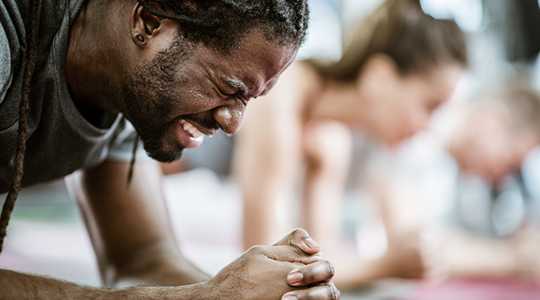
What is a military workout?
Military calisthenics or workouts are structured exercise regimes, designed to challenge your fitness levels to the point where you should be able to pass an army fitness assessment.
Exercises involved can include running, glute bridges, burpees, press-ups and lateral lunges. The idea is to build intensity of your exercises, typically a number of weeks, following the regime and its incorporate rest days to the letter.
These kinds of exercises can improve your cardiovascular health, overall strength and instil discipline in your workouts.

The rise of military workouts for healthy ageing
Celebrities in their sixties and seventies have been sharing the benefits of military workouts to help them keep fit and well in older age.
Some celebrities cite that smaller workouts can be incorporated into your daily routine for life.
The military workout may also appeal to the wider population due to its adaptability, structure, quantifiable results and lack of equipment needed to do it.

Slow and steady wins
If you’re thinking of trying the military workout, the most important thing to remember is to build things up slowly. Especially if regular exercise is new to you.
Some muscle soreness is expected when starting a new routine. It shows your muscles are working and building.
However, if you start your plan too intensely, you may end up in severe pain or injured.
Finding a workout regime that you like is the key to making it part of your routine. If you’re in pain when you exercise, stop to check if you need to make any adaptations by speaking to a health professional.
Home remedies for high cholesterol
Between October 2024 and September 2025, many more of us have been researching lifestyle habits that will benefit our cholesterol levels:
Best way to lower cholesterol without statins
Seven times more searches
Lower LDL cholesterol naturally
Five times more searches
Lower cholesterol without medication
Searches doubled for this phrase

We all need cholesterol for essential body functions, but it’s important to get the balance right between good and bad cholesterol to keep well and reduce your risk of cardiovascular disease.
You should aim to have healthy levels of HDL (good) cholesterol, and limited amounts of non-HDL and LDL (bad) cholesterol.
Research estimates that around half of the UK’s adults have unhealthy cholesterol levels. High cholesterol causes a build-up of fatty substances in your blood. If left unaddressed, this substance can cause blockages in your blood vessels, leading to heart problems, and in some cases, stroke.
Doctors use an online calculator called QRISK calculators to work out your risk of developing cardiovascular disease over the next 10 years. Using your cholesterol reading and lots of other parameters, QRISK gives you a score. This score helps doctors figure out if statins are recommended, based on your cholesterol levels.. To find out if your levels are higher than they should be, you can take a cholesterol blood test. You’ll usually be offered cholesterol tests every five years once you reach 40.
If you find out your cholesterol is too high, the first thing your GP will usually recommend is lifestyle changes to encourage a reduction. This can include:
- If you smoke, stop
- Reduce the number of saturated and trans fats in your diet
- Up your fibre and wholegrain intake
- Ensure you’re eating more fruit, vegetables, pulses, oats and beans
- Make regular exercise part of your routine as this can also help you achieve a healthy weight
- If you drink alcohol, cut down and make sure you’re not exceeding your weekly recommended allowance
What you need to know about statins

If you’re recommended statins, it’s important to make sure you understand the benefits and potential side effects. This will help you make an informed decision on whether you want to take them.
Generally, they work well for people with no side effects. If you find that statins don’t agree with you, your GP may be able to offer alternative statins or medications.
If you’re recommended statins, it’s important to make sure you understand the benefits and potential side effects. This will help you make an informed decision on whether you want to take them.
Generally, they work well for people with no side effects. If you find that statins don’t agree with you, your GP may be able to offer alternative statins or medications.
Heart rate training
If you’ve been Googling to find out more about exercising in different heart rate zones, you’re not the only one.

Between October 2024 and September 2025, zone two cardio searches doubled
Searches for this term saw an uplift from summer 2025. Knowing how hard you’re challenging your heart during workouts can help you understand and adjust workouts in line with your health goals.
The heart rate zones start at one and end at five. The higher the zone, the more intensely your heart works to fuel your activity.
Your body changes the source of fuel during your workout, depending on how you’re your heart’s working. In heart rates one, two and three, your body uses fat to give you the energy needed to move.
However, from zone three upwards, your body needs more than fat. Carbohydrates and protein are needed to power this level of exertion. Zone two cardio can be useful to incorporate into your fitness routine. It can help increase your endurance, metabolism, and aerobic capacity, all while keeping things low intensity, and reducing your risk of injury.
You should be out of breath in this heart zone. Too out of breath to sing but you should be able to speak in sentences.
Skin cancer checks
If recent online search volumes are anything to go by, 2026 looks to be a year where the UK takes its skincare more seriously. Between October 2024 and September 2025, searches showed:
Moles to be checked
Searches for this phrase tripled
Skin cancer detection
Searches for this phrase doubled

We tend to see searches around moles peak in the summer, however the peak is starting sooner and lasting longer.
This suggests more of us are concerned about our moles and are being proactive in getting them checked.
As melanoma is the fifth most common cancer in the UK, it’s really promising to see the rising trend of skin cancer vigilance.
Whether you’ve spent a lot of time in the sun, use sunbeds, or have had family members diagnosed with skin cancer, asking a health professional to check your moles is critical, if you spot anything concerning. Look out for changes in size, shape and colour, along with any thickness, new itching, bleeding or crusting.
Sex drive boosters
It appears more women in the UK are finding it trickier to get in the mood.
According to Google search data between October 2024 and September 2025, searches for libido enhancer for women doubled.
Your sex drive can change over time, for many possible reasons. Changes in your health like menopause, certain medications, feeling anxious or depressed, along with changes in your personal circumstances, such as relationships or work may put sex on the back-burner.
The amount of sex you’re having and the amount of sex you’d like to have is a personal preference. If you’re in a relationship and your libidos fall out of sync, it can place strain on you and your partner.

Our research hints that more women are finding it difficult to find interest in sex and want to do something about it.
If you’ve noticed a drop in your sex drive but aren’t sure what’s caused it, it might be tempting to turn to the internet for help.
From sex pills to libido supplements, many products promise to get your mojo back. But do they work?
If you’re considering buying sex enhancing products or supplements, be cautious. Many products promise results, but have no scientific backing to prove they’ll increase your libido, especially for women. At the most, products may provide a placebo effect when it comes to improving your libido. However, aside from a few established products, like Viagra, for men, products aren’t medically regulated, so you don’t really know what you’re consuming or applying.
It might feel embarrassing, but rather than turning to the internet, you should speak to a health professional if you’re struggling with your libido. They can help to rule out any possible underlying health conditions that might be affecting you.
In some cases, medication like hormone replacement therapy (HRT), or testosterone with HRT, can help improve libido. However, you’ll need to discuss any potential risks of taking HRT with your health professional, first.
Medications or supplements may just be one consideration to help low libido. However, there are many factors - like diet, sleep, exercise and talking therapies - that may help you get your mojo back.
A final word from Dr Samantha Wild
“It’s always good to see more people taking accountability when it comes to their health. When new health information and trends emerge, they catch our attention, so it’s only natural to wonder if they might be worth trying.
“When a trend has come from a new product or a recommendation from a friend, I’d always recommend treating them with caution. Stop, and take a moment to ask yourself: is this too good to be true?
“Good health is personal to everyone. It comes from taking care of your body in the long-term, and rarely from a quick fix. If you’re looking to make a change to your lifestyle, make choices that are scientifically backed, right for you, and proven to help over the long term.
“What works for a friend might not work for you – and in some cases it might even be dangerous for you to try. If you’re concerned about your health, whether it be your skin cancer risk or menstrual cycle, your first port of call should always be a health professional. Health professionals can work through your concerns and suggest credible, safe and long-term plans to help get your health where you’d like it to be.”
Book a health assessment today


Call us
We may record or monitor our calls. Lines are open Monday to Friday 8am to 8pm, Saturday 8am to 4pm.

Bupa health assessments are provided by Bupa Occupational Health Limited. Registered in England and Wales with registration number 631336. Registered office: 1 Angel Court, London EC2R 7HJ.
