




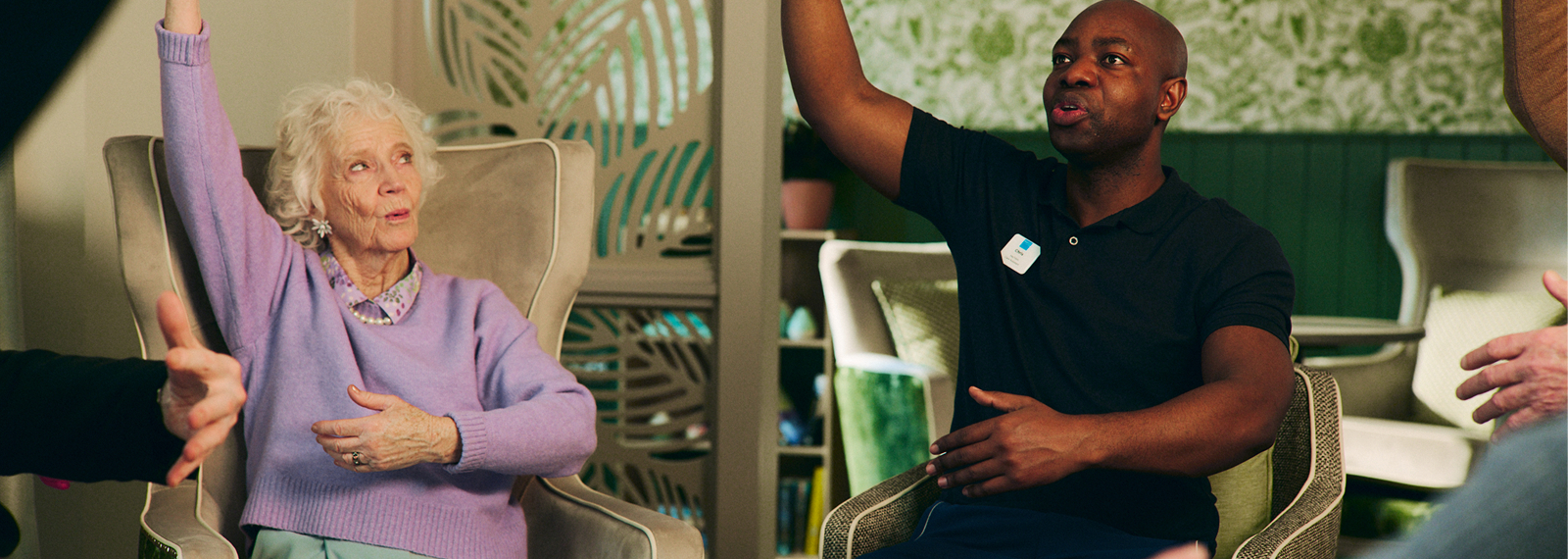
Revealed: The fastest-growing exercises for seniors
The UK's senior exercise searches
We’ve found that, between 2022 to 2025, more online searches are being made for specific senior exercise types:

Thai chi exercises for seniors
Searches are 12 times higher now

Chair Pilates for seniors
Searches are 7 times higher now

Feet exercises for seniors
Searches are 5 times higher now

Dumbbell exercises for seniors
Searches are 4 times higher now

Weight exercises for seniors
Searches are 3 times higher now

Strength training for seniors
Searches are twice as high now

Resistance exercises for seniors
Searches are twice as high now

Seated exercises for seniors
Searches are twice as high now

Dance exercises for seniors
Searches are twice as high now

Lower back exercises for seniors
Searches are twice as high now
Emma Povey-West, Senior Activities Coordinator at Argyles Bupa Care Home:
“Our population is living longer, so it’s great to see our research shows more of us are trying to stay active. Keeping active in older age has so many benefits – not just physically, but socially and mentally, too.
In Bupa care homes, we encourage our residents to stay physically active in ways that work for them. Scheduling regular group armchair exercises, guided stretches, balloon catch games, and more, encourages residents to try various ways to find their own joy in movement.
We find that many residents feel motivated to get involved when exercise is paired with upbeat music. Seeing someone find an exercise that really clicks with them is so rewarding!”
Benefits of exercise for seniors
This means that regular movement may reduce your risk of getting:
- Type 2 diabetes
- Heart disease
- High blood pressure
- Some cancer, e.g., breast cancer and bowel cancer
- Stroke
- Osteoporosis
- Osteoarthritis
Staying active can also improve your posture, promoting strength and stability in your muscles, bones and joints. If you suffer from aches and pains, regular exercise may help ward off discomfort.
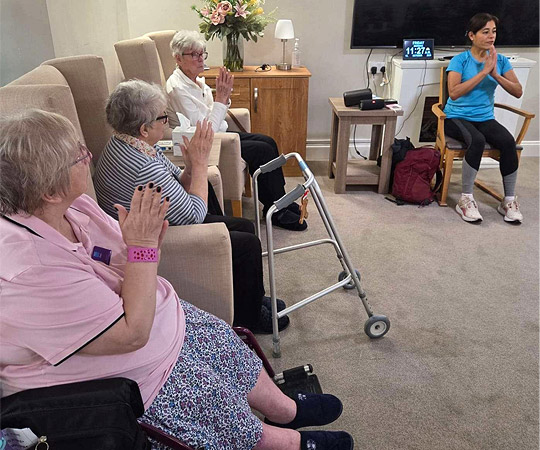
John, 85, of Argyles Bupa Care Home shares that weekly workout activities at the home helps him feel reasonably fit for his age.
“[These sessions are] a valuable activity to have each week, and I feel like [they’ve] helped me since my stroke.”
Working on your fitness can even increase your independence and quality of life. Whether it’s a shopping trip or playing with grandchildren, strength in your muscles can help you to feel more confident in what your body is capable of.
Being able to get out and about can work wonders for your mental health, too. Helping with endorphin production, exercise can regulate your mood and energy levels. Research even shows it can help keep your cognition sharp as you age.
It’s all connected – taking care of your body means you can increase and protect your independence levels. When you feel physically confident, it can help you feel more confident generally. Having the option to say yes to more invitations and opportunities can help you experience more and maintain and create strong social bonds.
How much exercise do older seniors need?
You need just as much exercise when you’re an older adult as you do when you’re a younger adult. This means that you should gradually aim to build up to a total of two and a half hours of exercise each week.
During your weekly exercise, you should be working hard enough for your breathing and heart rate to quicken. Your body should feel warmer, but you’re not working so hard that you’re not able to have a conversation.
Alongside your two and a half hours of aerobic exercise, you should aim to do at least two strength-building activities per week. These could be using resistance bands, weights or balancing yourself against your own body weight, for example, doing yoga or Pilates.
Don’t punish yourself if you’re not reaching your weekly exercise target. If you’re new to exercise, it’s important to build up your routine slowly to reduce the chance of injury. Doing some exercise is better than doing none.
What is the best exercise for seniors?
There’s no one best exercise for older people. Our research shows that there are plenty of workouts that can be adapted to suit a range of mobility needs. From Tai Chi to dumbbell workouts, there’s no set exercise that all seniors should start off with. It’s all about trying workouts until you find one that captures your interest.
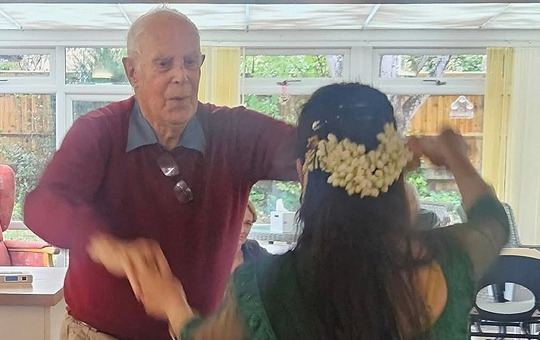
For example, residents Pam, 77, and Gloria, 82, of Argyles Bupa Care Home enjoy group exercise to music, with Pam saying that the music “helps to get [her] moving”. Meanwhile, Ruth, 85, another resident at Argyles, prefers exercises that are more relaxing.
Exercise for seniors: How to get started
Workouts for seniors
If you’re new to exercise, you might find the idea of working out on your own more appealing. It’s completely understandable to feel self-conscious when you start out. You might feel more confident if you first take the time on your own to get comfortable and master the basics.
Ideas to get started:
- Try chair exercises for seniors
- Pom pom aerobics
- March on the spot for five minutes
- Put on your favourite music and dance around your home
- Build up to a brisk walk around your local area. Why not ask a friend to join you to make it social as well as healthy?
- Find a dance class near you. Zumba, line dancing, and ballet classes are all popular with people in their 50s and 60s according to Google search trends
Sharing your workout intentions with those close to you may help keep you accountable and consistent with your regime.
Elderly exercise classes
Whether part of a group or followed on a screen, classes can help seniors to add routine and structure to your workouts.
Group exercise for seniors can be a great way to try out a new activity, especially if the social aspect is important to you, or you feel a bit stuck with your routine. From dance classes to aqua Zumba, classes can help bring routine and fun to the way you move. Instructor-led sessions may also help you seek reassurance and gain confidence with your form and posture.
Look for classes in your area to see if any appeal to you!
How much exercise is too much for seniors?
Use the 150-minute, or two and a half hours a week, guide for exercise. However, if you’re new to exercise, don’t force yourself to go from doing nothing to 150 minutes of activity at once. Instead, it’s much safer to build things up slowly and let your muscles, bones and joints adjust.
It’s also important to remember that you don’t have to do your full exercise quota for the week all in one session. Split it up over the week to make it more achievable. You could start by using resistance bands or trying a short workout class, once or twice a week. Listen to your body – is there anything hurting as you’re moving? Take note of it, and if the pain is too much, make sure you stop and speak to a health professional before trying again.
If your muscles feel sore a day or two after exercising, this is usually a good sign that you’ve worked your body well. Give yourself a couple of days to rest and for the pain to reduce, then try another workout.
Related articles and resources
Understanding sarcopenia

Healthy ageing tips

